

She's Back Again, In My Mind
An Ode to Nick Drake and Delayed Recognition

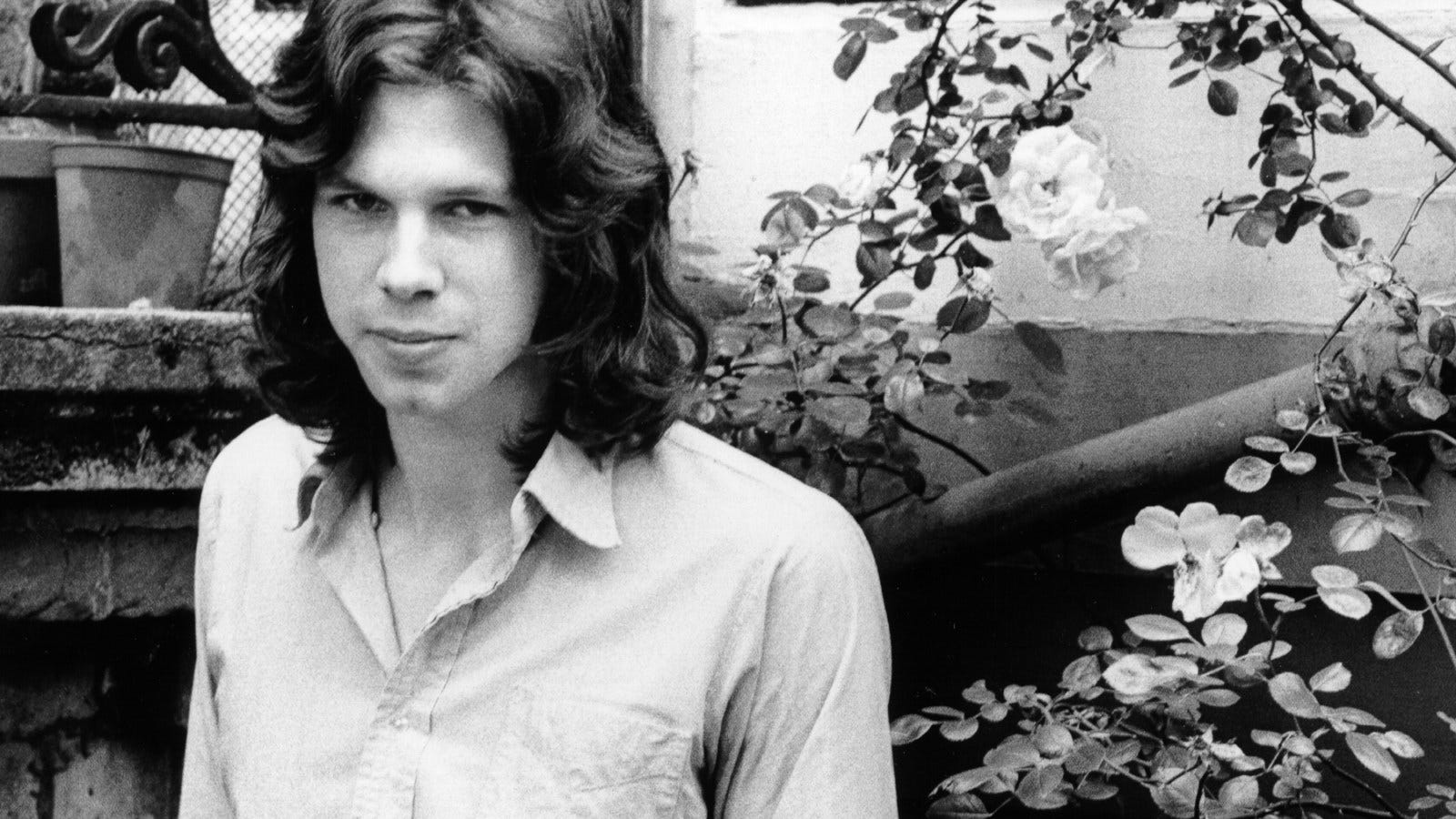
A few weeks ago I put on “Bryter Layter” by Nick Drake for the first time in a while, and immediately remembered something important about myself: I am extremely susceptible to being moved to tears by music.
The whole thing started because of one lyric from Hazey Jane II that randomly got stuck in my head:
“Let’s sing a song for Hazey Jane, she’s back again, in my mind.”
And once that line lodged itself, the only solution was to play the whole album again. Funny, because the song is literally about something drifting back into your consciousness unexpectedly and the album did exactly that.
I’ve loved Nick Drake for years. But sometimes you revisit something you already love and it hits you differently like the emotional frequency lines up in a brand new way. That’s what happened this time, and listening to Bryter Layter again reminded me how weirdly magical this record is.
It goes without saying, but it really starts with the sound. Everything about it feels organic in a way that almost never happens in studio albums. There’s no big poppy reverb, no dramatic vocal belting, none of the usual tricks artists use to grab your attention. In fact, Drake’s voice barely projects at all. It’s like he’s murmuring from the other side of the room yet somehow the music still fills the entire space.
The arrangements are beautiful without ever feeling heavy or over the top. Strings drifting in, a little flute line floating around (which, by the way, I absolutely love. Give me a wind instrument in a folk song and I’m sold immediately). The whole thing creates this atmosphere that’s hard to describe but very easy to feel. Just completely euphoric and serene.
The closest I can get is that the album somehow feels like fall and spring at the same time. Which makes sense of why I listen to Nick Drake almost exclusively during those seasons. There’s warmth in his work, but also a faint sense of something slipping away. It’s both peaceful and then a little foreboding, too.
His language leans heavily on elemental images: the moon (duh), rain, mist, the sea, trees, changing seasons. Nature shows up constantly in his songs, which makes sense given that he grew up in rural England. Early in his work the imagery feels springy and bright, even slightly hopeful.
But by the time you get to Pink Moon, something shifts.
The emotional season becomes autumn.
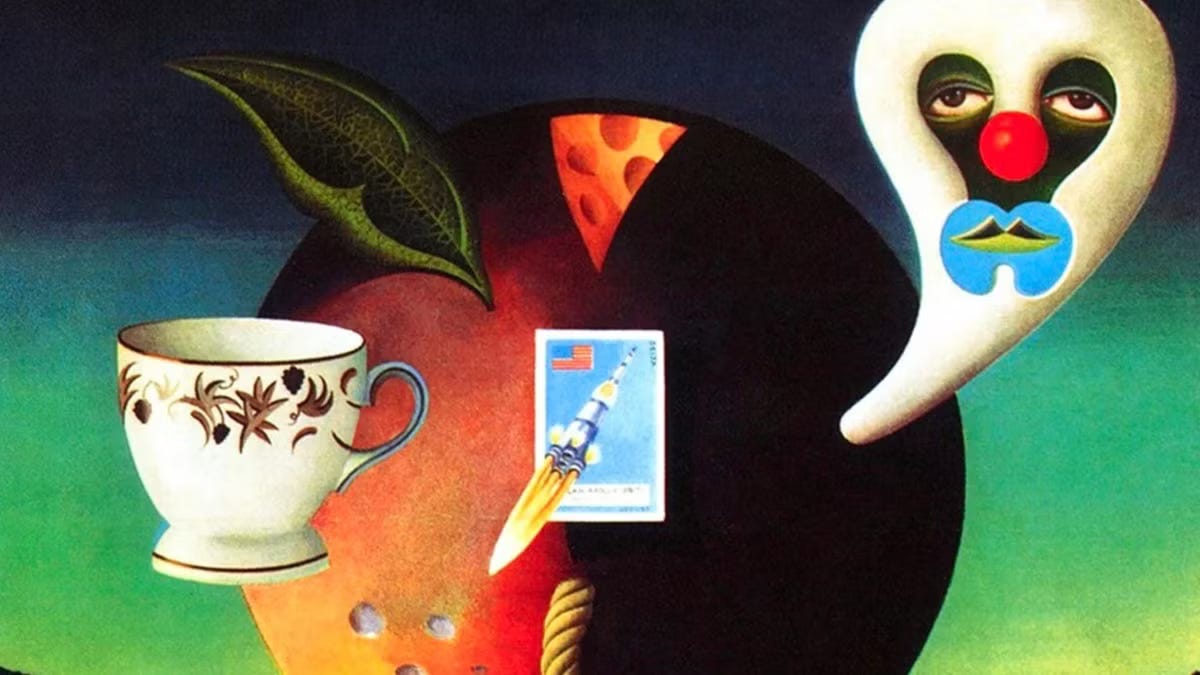
It’s not necessarily depressing, just super reflective. Kind of like when you know that everything is beautiful but you’re aware that beauty doesn’t last forever. Honestly, it’s part of why learning more about Nick Drake’s life hit me a little hard. After becoming re-obsessed with Bryter Layter, I decided to read more about him and what I found fascinated me almost as much as his music does.
During his lifetime, his records barely sold. It’s said he didn’t sell more than 4,000 records while he was alive. Yet, today he’s considered one of the most important singer-songwriters of his era and has been referenced by some of my favorites like Kate Bush and Robert Smith. His influence stretches across decades, and people (including myself) speak about his work with almost religious reverence.
I’ve been thinking about this phenomenon a lot lately, because we tend to tell the same story about artists like Nick Drake over and over again. I mean, look at Van Gogh.

The myth goes something like this: they were pure and tortured artists, totally unconcerned with recognition, creating solely for the sake of the work.
But when you actually read about their lives, that story starts to feel more convenient than anything.
In reality, Drake did want his music to succeed. People who worked with him said the commercial failure of his albums weighed on him deeply. And Van Gogh spent years writing letters to his brother worrying about whether his paintings would ever matter.
They weren’t indifferent to approval, and they wanted connection. Of course they did.
Making art is one of the most vulnerable things a person can do. You take something internal like a feeling, a perspective, an intimate fragment of your inner life, and you send it out into the world hoping someone else will recognize and appreciate it.
The desire for your work to reach people isn’t shallow. It’s kind of the whole point, isn’t it?
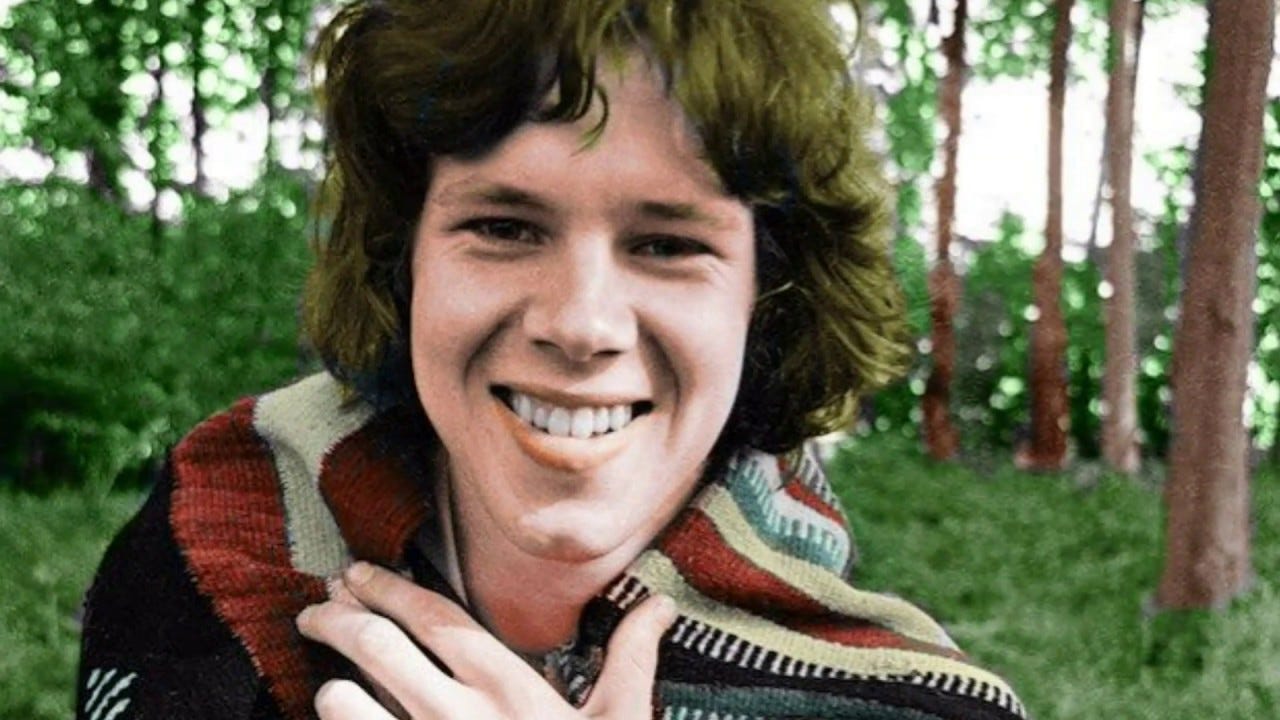
I can only assume this is why Drake’s story hit me in such a bizarrely emotional way recently. He was not a “tortured genius,” he was a person who clearly cared about what he was making and hoped it would matter. And despite all the commercial discouragement, he kept making the music anyway.
He kept writing these intricate, thoughtful songs and recording albums that were gentle and strange and completely true to himself, even when the world didn’t seem particularly interested.
There’s something incredibly moving about that kind of persistence despite the fact that it didn’t triumph at the end like it does in the movies. The world was left to discover, in its own time and once he was already gone1, the quiet devotion he poured into his craft.
You make the work sometimes because it just feels like the most honest thing you can do at the moment.
Maybe someone will hear it someday. And in the case of Nick Drake, people eventually did.
His music found its audience decades later. “Black Eyed Dog” was featured in (my beloved) 1998’s Practical Magic soundtrack. New listeners discovered him slowly through a (very good) 1999 Volkswagen commercial2, then in The Royal Tenenbaums, and eventually he just kind of blew up. Now his songs feel almost timeless. Spectral, like they’ve always existed and must have always been that popular.
And maybe part of why that’s so affecting is that there’s something about absence that sharpens appreciation. When someone or something is gone, or silent, or overlooked, it makes you lean closer. There’s a strange melancholy in delayed recognition. It’s the most subtle ache that makes the eventual re-encounter feel more luminous. I wonder if that’s why we leave things before they can leave us. I wonder if that’s why artists, and sometimes people, retreat in ways we can’t always follow. Thinking about Nick Drake, it makes me remember other brilliantly fragile artists like Kurt Cobain3 and Elliott Smith. Their absence amplifies the emotional intensity of what they left behind. It’s why we treasure letters from long-dead relatives, or discover a song years after it was released and think, how did I live without this? And now, it’s in your awareness, deeper than it ever was the first time.
“She’s back again, in my mind.”
Nick Drake died in 1974 at 26 from an overdose of antidepressants, generally understood as a suicide. I go back and forth on how much to hold that fact while listening to him. It’s there, inevitably, but it’s not what makes his music so moving and tender.
I was first introduced to Nick Drake in my own tiny red VW Jetta. It’s a small, serendipitous part of my love for him that feels a little fated to me.
I’m aware there’s a lot of speculation and mythology around the circumstances of both of these deaths, but that’s not really what I’m interested in here. What I often think about is the Neil Young reference in Kurt’s note, “It’s better to burn out than to fade away,” and how intensely it speaks to the fear of disappearing into obscurity